IMAGES
Boxes, polygons, keypoints
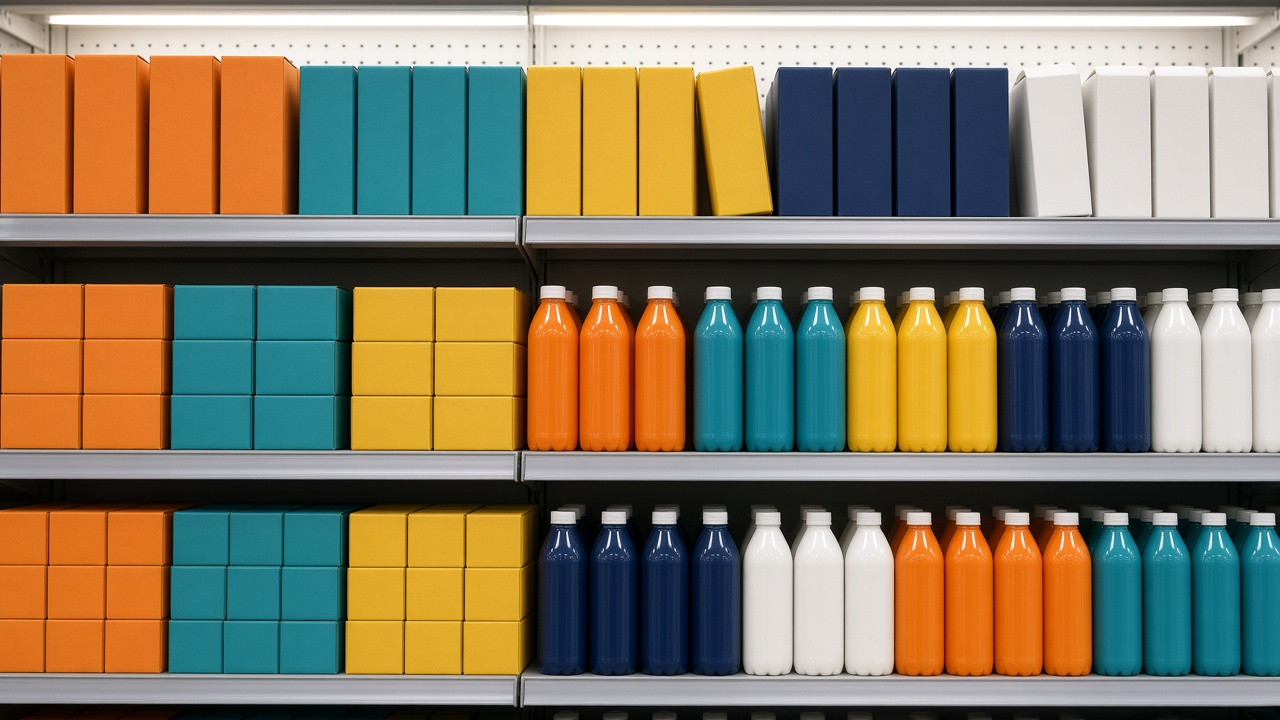
Detection, segmentation, and pose. Retail shelves, medical stills, manufacturing defects, ID documents.
Trueframe is the annotation stack companies use to train speech, vision, video, and document models — ontologies, human review, and model-ready exports in one place.

Stop buying a speech vendor, a vision vendor, and a video vendor. Trueframe is built so an ML team can stand up any corpus and ship a model.
Detection, segmentation, and pose. Retail shelves, medical stills, manufacturing defects, ID documents.
Object IDs that survive occlusion. Autonomy, CCTV, sports, and line-side quality clips.
ASR transcripts, diarization, intent, and PII redaction for contact centers and voice agents.
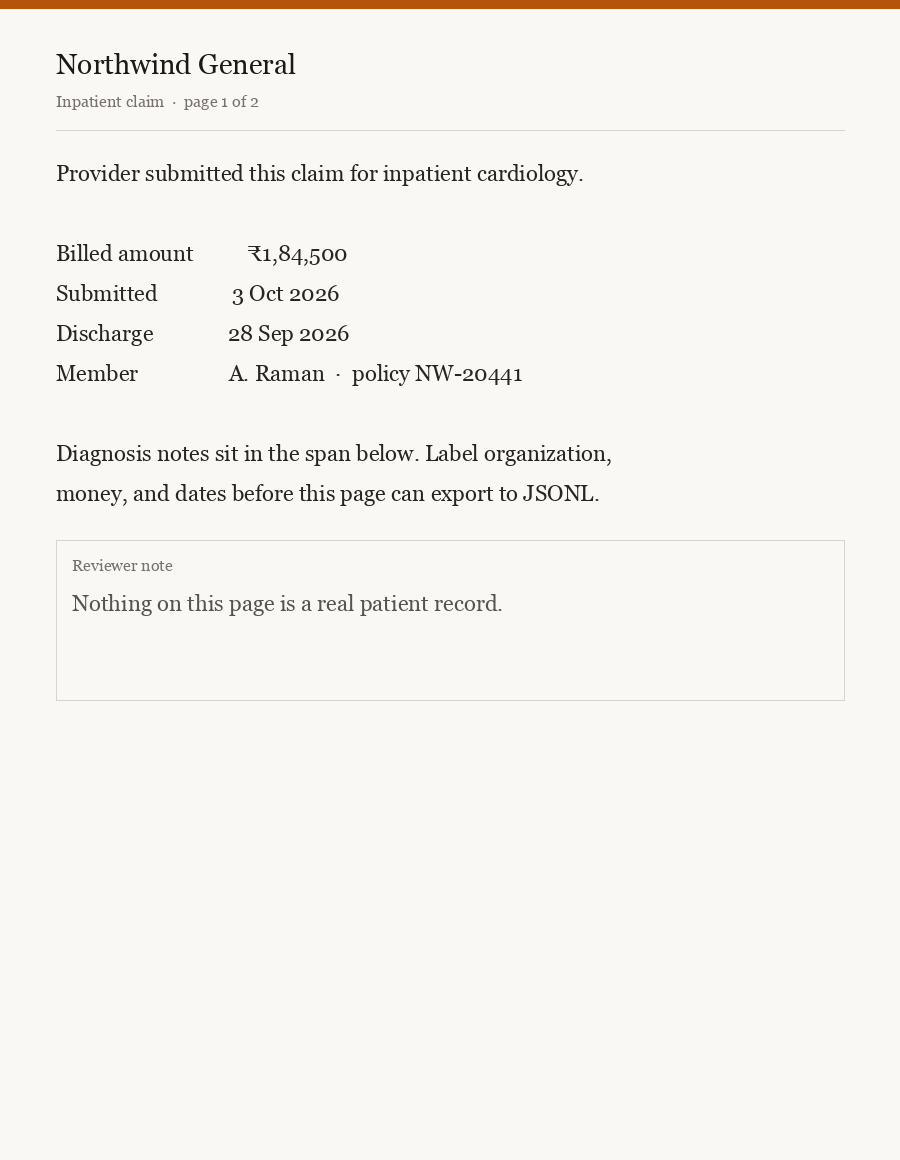
NER, relations, and page regions for contracts, EHRs, claims, and SOP manuals.
S3, GCS, or upload. Images, mp4, wav, pdf, and jsonl land in one project.
Classes, attributes, and hotkeys. Lock the schema before the first label.
In-house teams or vendors. Pre-labels from your current model, then human correct.
Consensus, gold tasks, and audit. Nothing exports until QA passes.
COCO, YOLO, VOC, WebVTT, Kaldi, JSONL, Hugging Face datasets.
A warehouse still, a shelf photo, an 8-second line clip, and a claim page. The workbench also plays call_8841.wav, a two-speaker sample.
They need a repeatable train set, not a spreadsheet of JPEGs. Trueframe is the last mile before fine-tune or eval.
Throughput, instructions, and quality gates. Same workbench for an internal team or an annotation partner.
Pick one modality and one real corpus. We stand up ontology, a reviewer, and an export your training job can read. Keep the labels either way.
Open the workbench in a sales call first — it is the product, not a slide.
Launch workbench demo →